The Silent Downstream Danger
When you build a professional B2B SaaS platform at Smart Tech Devs, your application heavily relies on external APIs. You query third-party platforms for CRM syncing, tax validation, or enrichment data. The architectural danger occurs when one of these external services goes down or experiences severe network latency.
If an API endpoint that usually takes 100ms suddenly starts taking 10 seconds to respond, your incoming user requests will stack up. Your Laravel HTTP threads will sit open, waiting for timeouts. Within minutes, your server's connection pool will be entirely exhausted. A failure in a non-critical third-party service has cascaded upward, choking your infrastructure and bringing down your entire SaaS platform. To build resilient architecture, you must implement a Circuit Breaker.
What is a Circuit Breaker?
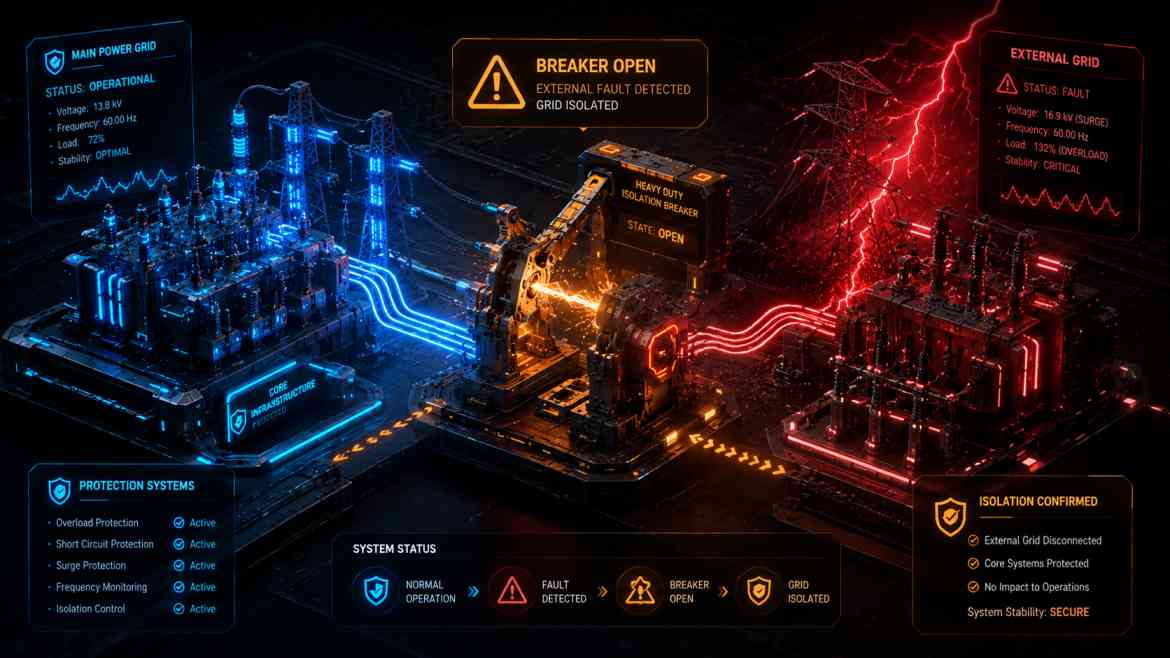
Inspired by electrical engineering, a software Circuit Breaker wraps external API calls in a monitoring state machine that operates in three states:
- Closed: Everything is healthy. Requests flow normally to the external API.
- Open: The external API has failed multiple times. The breaker trips, and all subsequent requests fail *instantly* locally without wasting network resources or blocking threads.
- Half-Open: After a cooling period, the breaker allows a few trial requests through to see if the service has recovered.
Implementing a Circuit Breaker with Redis in Laravel
We use an open-source library like brentosmith/circuit-breaker-laravel or leverage Redis locks directly to build an explicit integration guard layer.
namespace App\Services;

use Illuminate\Support\Facades\Http;
use Illuminate\Support\Facades\Cache;
use Exception;

class ExternalCrmService
{
    protected string $breakerKey = 'circuit_breaker:crm_api';

    public function syncCustomerData(array $payload)
    {
        // 1. Check if the circuit breaker is currently OPEN
        if (Cache::has("{$this->breakerKey}:open")) {
            // Circuit is broken. Return a graceful fallback or cached data immediately
            return ['status' => 'fallback', 'message' => 'Service temporarily degraded.'];
        }

        try {
            // 2. Execute the network request with a strict timeout
            $response = Http::timeout(3)->post('https://api.externalcrm.com/v1/sync', $payload);

            if ($response->failed()) {
                throw new Exception("API Error");
            }

            // Success: Clear any consecutive failure tracking
            Cache::forget("{$this->breakerKey}:failures");
            return $response->json();

        } catch (Exception $e) {
            // 3. Handle Failure: Increment consecutive error counter
            $failures = Cache::increment("{$this->breakerKey}:failures");

            // If the external service fails 5 times sequentially, TRIP THE CIRCUIT
            if ($failures >= 5) {
                // Open the circuit breaker for 60 seconds
                Cache::put("{$this->breakerKey}:open", true, now()->addSeconds(60));
                \Log::warning("Circuit breaker tripped for External CRM API. Isolated for 60s.");
            }

            return ['status' => 'fallback', 'message' => 'Service unavailable. Local fallback active.'];
        }
    }
}
The Engineering ROI
By implementing a Redis-backed Circuit Breaker pattern, your SaaS gains fault isolation. If a vendor goes down at 2 AM, your application doesn't slow down or crash; it gracefully bypasses the vendor immediately, serving users an alternative experience instantly. It prevents cascading memory exhaustion, preserves server threads, and ensures maximum uptime for your core system.